StrayNew
Marcus Delgado(330) 555-0142 · m.delgado@gmail.com
"Hit by a car in the CVS lot, dragging a back leg. I put a towel down but can't get near it."
1 cat~6 monthsBleedingLimpingOpen wound
2 photos · 1450 Howe Ave, Cuyahoga Falls
One platform for intake triage, skill-based matching, 24/7 foster support, and real-time capacity visibility. Built for the season that stress-tests every shelter and rescue.
When kitten season hits, you're managing urgent bottle baby placements, tracking availability across dozens of volunteers, coordinating supplies, monitoring feeding schedules, and keeping everyone informed—all while juggling texts, spreadsheets, sticky notes, and whatever tools you've pieced together.
Your reality might be something like this:
The result: You spend more time managing tools than managing your program. And your fosters, the people keeping kittens alive, don't have the support they deserve.
Foster placement works. The constraint is the coordination system shelters are forced to run it on. That system has four failure points, and Pawsitive Foster was built against each one.
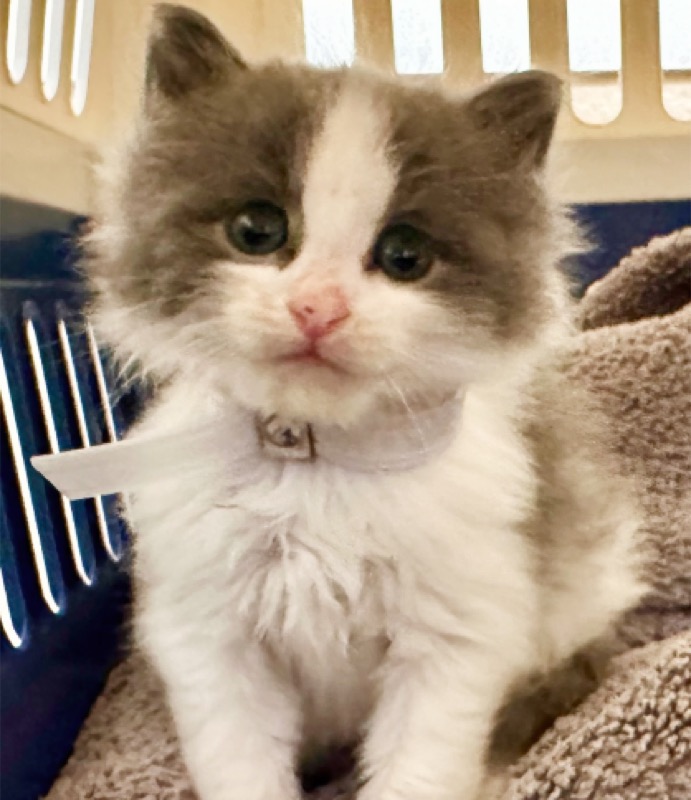
How do shelters manage kitten season intake surges?
The programs that stay stable share four things:
Pawsitive Foster provides all four, with Pawsitive Foster AI handling after-hours foster support on each shelter's own protocols.
Intake arrives from every direction at once: the phone, animal control, and whoever walks through the door. Nothing sorts it. Nothing triages it. It all lands on the same overloaded person, and the animals turned away leave no trace behind them.
The public intake form gives your community a way to tell you what they need, and gives you a way to sort it before it reaches your team.
Your intake form comes with the platform, on every plan. Not an add-on, not a separate line item, not a six-week configuration engagement with a vendor.
You can't fix a season you never counted.
"Hit by a car in the CVS lot, dragging a back leg. I put a towel down but can't get near it."
An injured stray, abandoned neonates, an owner surrender: each one lands here already triaged by urgency, routed to the right program, and tracked to an outcome.
In February you filter the plea to the six people who've done ringworm. In May there are eleven kittens on your counter and it goes to all of your fosters, fast, because the question stopped being who's best and became who's home.
Filter when it helps, skip it when it doesn't. What holds either way: the first-time bottle feeder who said yes isn't alone with questions at 2am. Ollie, the foster support chat built into Pawsitive Foster, answers the weight and feeding questions, flags what fading looks like, and hands off to you when it's actually a you problem. New isn't the same as unsupported.
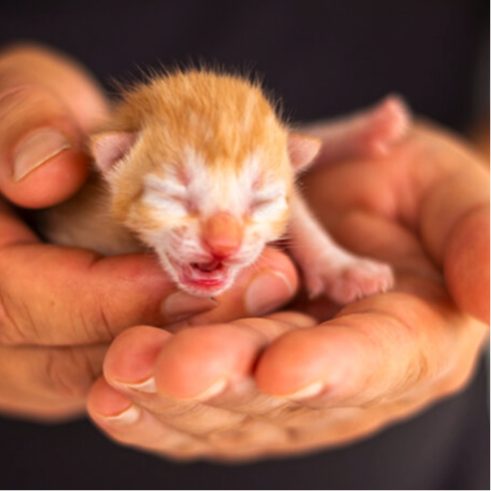
Every foster's skills and availability live on their profile, so a plea for a bottle baby reaches only the fosters who can take one, ranked by who's ready now.
How much formula for a 90-gram kitten. Why won't she latch. Is this normal or is this a vet trip. Coordinators answer these a hundred times a season, and every season a new crop of first-timers resets the count to zero.
Ollie takes that whole tier off their plate: feeding amounts by weight, warming and latch troubleshooting, when to watch and when to move. It runs on a cat-care knowledge base and answers at 2am without waking anyone. When it's past what a chatbot should call, it hands straight to the coordinator, so they save their attention for the fading kitten, not the fortieth "how much do I feed."
You know it's coming in April. Act like it.
Kitten season doesn't sneak up. The details do: the plea that went cold, the foster who hasn't taken a cat since spring, the kitten who's been in care too long. Small things slip when eighty animals move at once, and they slip right when it counts.
Everything you log already lives in Pawsitive Foster, so the reporting writes itself. The weekly view ranks the whole caseload on one screen: animals in care past 30 days, pleas unanswered after 48 hours, fosters quiet for 60. You work the list instead of your memory, and the cats that would've slipped move first.
When your lead wants the numbers, the monthly's already built. Hand it up, keep your Sunday.
Each dot is one animal, by the time it took from intake to a foster home. Nearly every animal reached a foster home within a day or two.
Free to start, no credit card required. Set up your organization in minutes.
Running a small rescue? Starter is free forever. No trial, no catch.
“The app has been a true lifesaver, like my light. I no longer spend a good chunk of my day manually texting fosters asking if someone can pick up kittens. I can log animals as soon as they arrive, and usually by the end of the day, a foster volunteer has already signed up to take them.”
See how Pawsitive Foster and Pawsitive Foster AI transform high-volume intake from chaos into clarity.
Intake surges run spring through summer, with national data showing intakes peaking between April and August, driven largely by cats (Shelter Animals Count & Pawlytics, 2025). Adoptions follow the same seasonality, peaking in July and December.
In a prospective study of 203 kittens under 9 weeks of age, kittens placed into foster care experienced more live outcomes and increased growth rates compared to kittens raised in shelter, cattery, lab, or breeding settings (Berliner et al., 2022, in Phillips & Gunter, 2024).
Build the pipeline before the surge: recruit and train bottle-baby and medical fosters early, remove onboarding friction so applicants become active fosters in days instead of weeks, set up skill-based matching so fragile cases go to equipped homes, and put after-hours support in place so 3am questions don't all land on the coordinator.
Pawsitive Foster AI answers foster questions at any hour with guidance built on your shelter's own protocols: feeding amounts by weight, warning signs, escalation criteria, when to monitor, and when to transport. Fosters with fading or fragile kittens get immediate, protocol-correct direction instead of waiting for morning.